

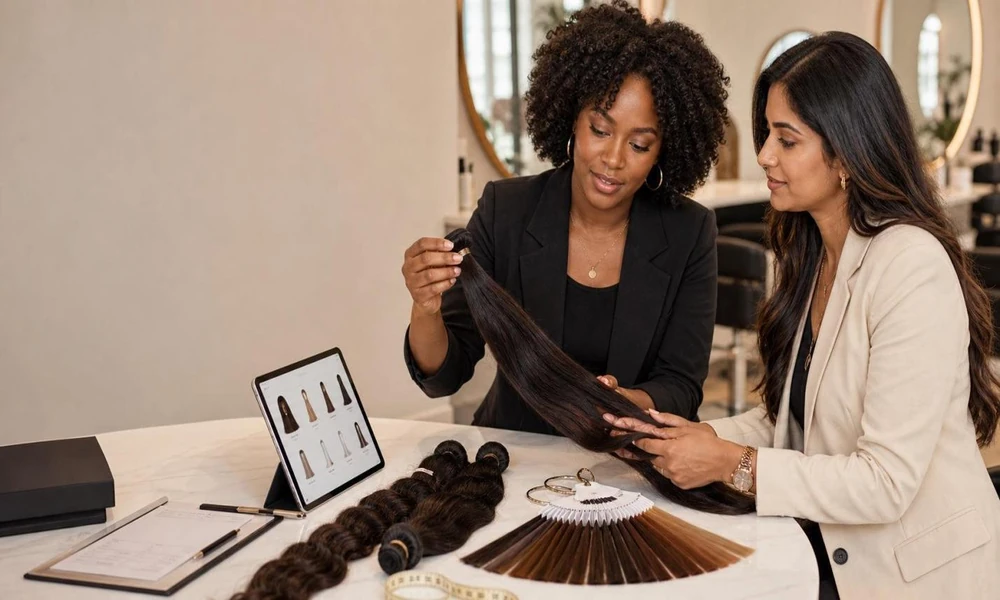
Shopping for hair extensions online should be exciting, but for many women, it can feel like navigating a maze of unfamiliar brands, confusing product descriptions, and promises that seem too good to be true. Hundreds of online stores advertise premium human hair, affordable bundles, and salon-quality results, yet their products can differ significantly in texture, durability, and overall performance. For Black women especially, finding extensions that complement natural curls, coils, or relaxed hair adds another layer to the decision. This is where Black-owned hair extension businesses are helping reshape the online shopping experience. By bringing firsthand knowledge of textured hair, personalized guidance, and a greater focus on representation, these entrepreneurs are challenging traditional approaches to selling hair online. Still, ownership alone does not guarantee quality. Understanding what makes a retailer credible, transparent, and customer-focused remains essential for anyone investing in hair extensions.
What Makes the Best Online Hair Extension Stores Stand Out?
Natural and textured hair comes with unique styling needs, and shoppers increasingly want retailers that understand those differences rather than treating every hair type alike. When researching the Best Hair Sites To Order From, customers should look beyond attractive photographs and promotional discounts. The most dependable online stores provide detailed information about their products, realistic expectations about texture, and guidance that helps buyers choose extensions suited to their existing hair.
Black-owned hair businesses can bring valuable experience to this process. Many entrepreneurs enter the industry after encountering limited texture options, disappointing purchases, or difficulties finding extensions that blend with their own hair. Those experiences can inspire businesses that prioritize kinky straight, coily, curly, and relaxed textures alongside conventional silky styles. Instead of expecting customers to adapt their hair to the product, these companies may approach product development around how women actually wear and maintain their hair.
However, a compelling brand story should never replace basic business credibility. Reliable hair vendors typically provide clear product specifications, visible contact information, secure checkout processes, and accessible customer service. Their websites explain what customers are purchasing rather than relying entirely on expressions such as “luxury,” “premium,” or “100% authentic.”
Consistency is equally important. A trustworthy retailer should deliver products that reasonably match its descriptions across repeat purchases. Detailed FAQs, transparent business policies, and educational resources demonstrate a commitment to building relationships beyond the initial sale. For shoppers, these practical indicators are often more meaningful than celebrity endorsements or aggressive social media advertising.
How to Evaluate Hair Quality Without Seeing It in Person
One of the biggest challenges with buying human hair online is determining quality without physically inspecting the strands. Product photographs can communicate texture and length, but they cannot fully reveal softness, durability, shedding tendencies, or how the extensions behave after washing. This makes accurate product information particularly valuable for customers purchasing textured extensions for the first time.
Understanding commonly used hair classifications is a useful starting point. Remy hair generally refers to human hair whose cuticles are aligned in the same direction. Virgin hair is commonly marketed as hair that has not undergone chemical processing, while raw hair is generally presented as minimally processed or unprocessed donor hair. Unfortunately, these terms are not applied consistently throughout the industry. Customers should ask sellers to explain their sourcing and processing claims rather than assuming that a label guarantees superior quality.
For women seeking textured extensions that complement natural Black hair, theBest Black Owned Hair Extensions are worth evaluating through the same practical quality standards applied to any reputable supplier. Look for realistic texture descriptions, consistent curl patterns, adequate density, and information about how the hair responds to washing, conditioning, and styling. The goal is to identify a product that performs well, not simply one with an appealing brand identity.
Cuticle condition and processing methods can influence tangling, manageability, and longevity. Density also deserves attention because two bundles of equal length may create very different levels of fullness. Shoppers should verify bundle weight and ask whether longer lengths appear thinner toward the ends. Videos showing freshly washed hair, close-up texture photographs, and examples without heavy styling products can provide useful additional evidence.
Another smart approach is to ask about shedding and maintenance expectations. Some shedding can occur during handling, especially when extensions are cut or installed improperly, but excessive strand loss should not be considered normal. Sellers who explain potential limitations and care requirements demonstrate greater transparency than those promising completely maintenance-free hair.
Why Reviews, Customer Service, and Return Policies Matter
A beautiful website can attract attention, but customer experiences often reveal how a hair business operates after payment. Independent reviews can help buyers understand whether products arrive as described, how customer service handles concerns, and whether the retailer delivers consistent results. Reviews containing details about texture, installation, washing, and repeated use tend to offer more useful information than brief statements praising a product.
For textured hair shoppers, realistic customer photographs are particularly helpful. Seeing how extensions blend with twist-outs, silk presses, natural curls, or protective styles can reveal details that professional studio images might overlook. Look for photographs taken under different lighting conditions and, when possible, examples showing the extensions after several weeks of use.
Customer support is another area where independent hair entrepreneurs can differentiate their businesses. Some Black-owned brands offer texture consultations, styling advice, or direct communication with knowledgeable team members. These services can be especially beneficial to shoppers who are unfamiliar with extension terminology or deciding between similar curl patterns.
Still, shoppers should investigate return and exchange conditions before placing an order. Human hair products frequently have restrictions related to hygiene, opened packaging, altered bundles, or completed installations. A trustworthy retailer should explain these conditions before checkout and provide clear procedures for reporting incorrect or defective items.
Warning signs include inconsistent product descriptions, unexplained changes in pricing, suspiciously repetitive testimonials, missing contact information, and vague refund policies. Customers can also examine independent review platforms and check whether the company responds professionally to complaints. No business is guaranteed to receive perfect feedback, but responsible handling of problems can reveal a great deal about its reliability.
Comparing Extension Prices, Hair Textures, and Long-Term Value
Affordable hair bundles can be appealing, especially when shoppers are comparing several online human hair stores. However, the lowest purchase price does not necessarily represent the best value. Extensions that become difficult to manage after a few washes may require frequent replacements, additional styling products, or expensive maintenance appointments. These costs can make an initially inexpensive purchase considerably less economical.
Consider two extension purchases. One costs $90 and lasts approximately three months, while another costs $180 and remains wearable for nine months. Assuming comparable use and excluding maintenance expenses, the first costs approximately $30 per month, compared with $20 per month for the second. Although hypothetical, this illustrates why shoppers should evaluate cost per wear alongside the initial price.
Texture compatibility matters just as much as longevity. Kinky straight extensions can complement blown-out or stretched natural hair, while kinky curly and natural curly options may offer a more seamless finish for women who regularly wear defined curls or coils. Relaxed straight textures can be useful for customers who prefer a smooth appearance without the extremely sleek finish of silky straight extensions. Actual blending depends on the individual’s hair characteristics and styling methods.
Black-owned hair extension companies are contributing to broader choices by recognizing that Black women do not share one universal hair texture or styling preference. Their influence encourages the industry to move beyond narrow beauty standards and offer options that reflect different curl patterns, densities, and everyday routines.
Reusability and styling flexibility also affect value. Quality extensions that tolerate appropriate washing, conditioning, and repeated installation may provide greater long-term convenience. Buyers should nevertheless follow the manufacturer’s care instructions, especially when using heat, coloring treatments, or adhesives. Even high-quality human hair can experience damage through excessive processing or poor maintenance.
Smart Shopping Habits That Support Better Purchasing Decisions
Before ordering from an unfamiliar online retailer, spend time reviewing the complete product listing. Confirm the available lengths, colors, bundle weights, texture descriptions, and recommended quantities for a full installation. A photograph showing thick, waist-length hair may involve several bundles rather than the single bundle advertised at the starting price.
Shipping information should receive equal attention. Check processing times separately from delivery estimates, especially when purchasing hair for weddings, vacations, or scheduled salon appointments. International orders may involve additional customs charges or delays. Shoppers should also confirm which delivery methods include tracking and what happens if a package arrives damaged or an item is missing.
For first-time buyers, consultations can be particularly useful. A knowledgeable stylist can help determine whether clip-ins, sew-in wefts, tape-ins, or wigs are better suited to an individual’s hair condition and desired look. Some retailers offer samples or texture consultations, allowing customers to examine hair characteristics before committing to a larger purchase.
It is also worth supporting businesses that invest in customer education. Informative tutorials, realistic styling demonstrations, maintenance guides, and clearly explained product differences make online shopping more accessible. This educational approach can be especially meaningful for shoppers who previously struggled to find extensions designed around their natural textures.
Ultimately, the influence of Black-owned hair entrepreneurs extends beyond representation. By addressing underserved customer needs and encouraging more informed purchasing decisions, these businesses can help raise expectations for transparency, texture inclusivity, and personalized service across the wider beauty industry.
Choosing a trustworthy hair extension retailer requires balancing product quality, clear business practices, fair pricing, and dependable customer support. Black-owned hair businesses are helping improve the shopping experience by bringing greater attention to textured hair needs, practical education, and customer representation. Nevertheless, every retailer should be evaluated on its own merits, regardless of ownership. Research independent reviews, compare product specifications, understand return conditions, and consider how much maintenance your chosen extensions will require. Most importantly, select hair that complements your natural texture, lifestyle, and styling goals. A well-informed purchase can provide better value, greater confidence, and a more satisfying relationship with the retailer you choose.
