How do you find the correct dose when using kratom capsules?
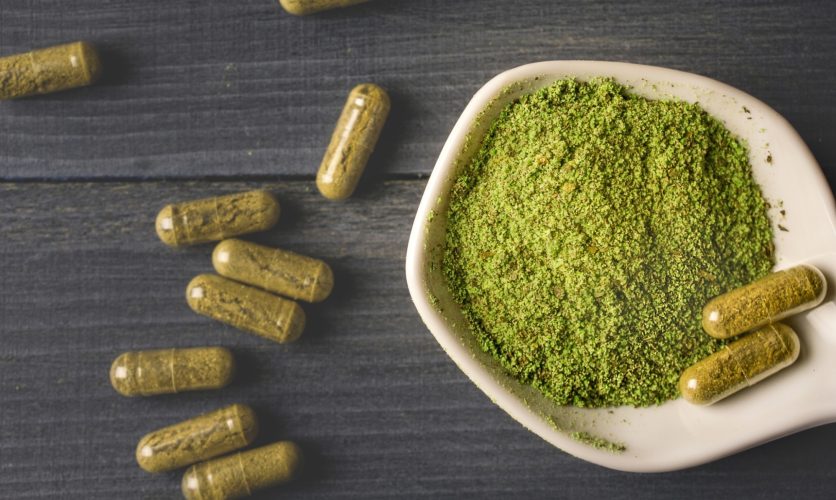
Finding the correct dosage for kratom capsules requires systematic experimentation and careful attention to individual body responses. Unlike powder forms, where you measure precise amounts, capsules come in predetermined sizes, creating convenience and dosage constraints. Most commercial capsules contain between 0.5 and 1 gram of kratom powder, making it essential to understand your capsule’s specific content before determining how many to take for desired effects.
Start low and go slow
Beginning with the lowest possible effective dose prevents overwhelming effects while allowing you to gauge personal sensitivity. Most newcomers should start with a single capsule and wait at least two hours before considering additional doses. This waiting period accounts for kratom’s delayed onset compared to other botanicals, as the capsule shell must dissolve and release contents for absorption. The effects of kratom follow a bell curve pattern where increasing doses don’t necessarily create proportionally stronger effects. Finding your sweet spot often involves identifying the minimum effective dose rather than pushing toward higher amounts. Many users report that their optimal dose remains consistent once established, making this initial calibration period crucial for long-term satisfaction.
Individual factors affecting dosage
- Body weight and metabolism – Larger individuals typically require higher doses, while faster metabolisms may process kratom more quickly
- Empty versus full stomach – Taking capsules without food often increases effects, but may cause nausea in sensitive individuals
- Tolerance development – Regular users may need to adjust doses over time or take periodic breaks to maintain effectiveness
- Strain potency variations – Different kratom varieties and batches can have varying alkaloid concentrations, affecting optimal dosing
Personal biochemistry creates significant variations in how individuals respond to identical doses. Factors like liver enzyme activity, stomach acidity, and existing medications can influence onset timing and effect intensity when using capsules.
Timing considerations
Kratom capsules require longer to take effect compared to powder forms due to the dissolution time needed for gelatin or vegetarian capsule shells. Most users report initial effects between 30-60 minutes after consumption, with peak effects occurring around 90 minutes. This delayed onset creates a temptation to take additional capsules prematurely, often resulting in excessive dosing. Planning your kratom use around this timeline helps prevent accidental overconsumption. Taking capsules on an empty stomach may accelerate the onset by 15-30 minutes, but increases the likelihood of stomach upset. Consuming capsules with a light meal can reduce digestive discomfort while providing more predictable absorption patterns.
Managing tolerance
- Rotation schedules – Alternating between different strains may help maintain effectiveness at lower doses
- Break periods – Taking 2-3 day breaks periodically help reset tolerance levels
- Dose reduction attempts – Gradually decreasing capsule quantities helps identify the minimum effective amounts
- Quality considerations – Higher quality kratom may require fewer capsules for equivalent effects
Tolerance management becomes essential for regular users who want to maintain effectiveness without continuously increasing consumption. Some individuals find that rotating strains every few days helps prevent the tolerance buildup associated with using identical products daily. Finding your optimal dose with kratom capsules requires patience and systematic experimentation. Once established, this dosage typically remains consistent, making the initial calibration effort worthwhile for achieving reliable and satisfying experiences with this botanical supplement.