

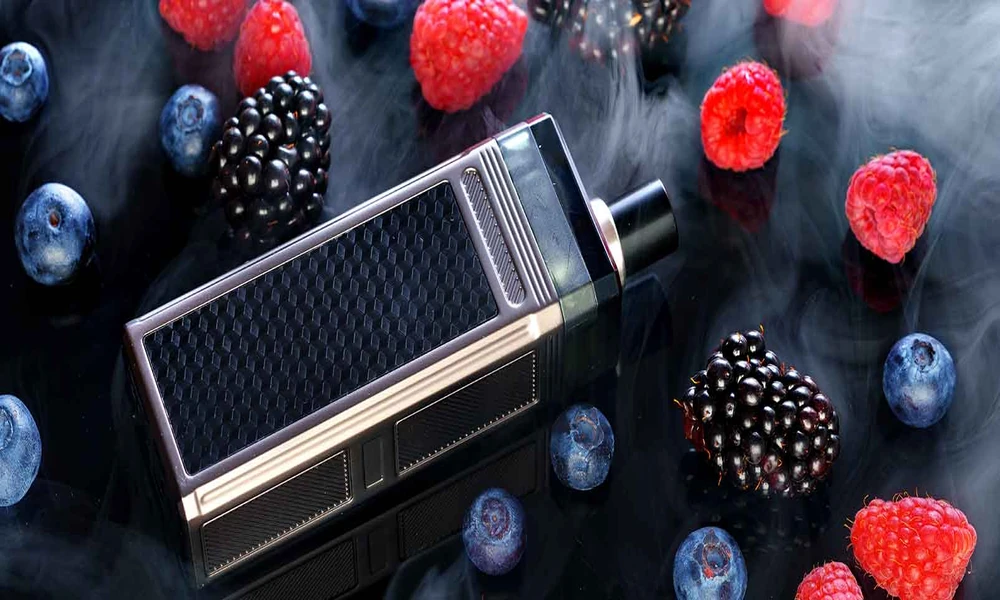
Texture begins forming long before oil ever reaches a cartridge, taking shape during the extraction stage itself. Each method pulls cannabinoids and terpenes from plant material differently, leaving behind a distinct physical signature in thickness, clarity and flow behavior. Shoppers weighing the best thca vapes often notice that two products with matching potency numbers still look and pour completely differently when compared side by side. Solvent based processing uses a liquid carrier that later gets purged, and this refinement removes waxes and plant fats along the way. Removing those compounds produces a smoother, more uniform oil that moves predictably through a wick without leaving residue in airflow channels. Mechanical methods skip the carrier entirely, so more natural plant matter stays present in the finished extract, giving it a denser body and richer visual character that many users associate with fuller spectrum products drawn straight from the source flower.
Mechanical separation traits
Physical extraction produces texture through pressure, temperature and filtration rather than chemical refinement, and each route leaves its own recognizable mark on the finished oil.
- Rosin pressing squeezes oil directly from the flower using heat and force, keeping the result thick and resinous from start to finish.
- Ice water separation isolates resin glands through cold agitation, creating material with a granular starting texture before any melting occurs.
- Dry sift filtering collects trichomes through fine mesh screens, yielding a powdery concentrate that transforms once warmth is applied.
Each path retains compounds that solvent purging would normally strip away, which explains the heavier body these extracts carry into cartridges and disposables alike.
Viscosity and clarity
Thickness shifts according to how much plant material survives processing from beginning to end. Highly refined oils move quickly when a cartridge tilts and show a bright golden tone that stays uniform between batches. Denser extracts travel slowly and often appear amber or darker depending on the source flower used during production.
- Thin oils saturate wicks rapidly and generate vapour within seconds of activation.
- Thick oils hold their structure longer but ask for higher wattage to vaporise fully.
- Mid-range consistency balances flow speed against flavour preservation for most hardware designs.
Clarity itself serves as a quick visual shorthand for refinement depth, since cloudiness usually signals remaining plant compounds while transparency points toward heavier filtration during production.
Storage stability patterns
Texture keeps evolving after production ends, responding to whatever conditions surround the product afterwards. Cool environments thicken oil slightly, while warmth can separate cannabinoid rich layers from lighter terpene content resting above them. Neither change harms performance in most cases, though it explains why identical products sometimes look different depending on how each unit was handled before use. Gentle warming from a device usually restores even consistency within one or two draws, bringing the oil back to its intended flow behaviour without any effort from the user. Watching how oil settles and recovers actually tells an attentive user quite a lot about which extraction path produced it in the first place, since heavily refined material rarely separates, while fuller extracts show visible layering more readily.
Extraction sets the foundation for how oil feels, flows and performs inside any device, while storage continues shaping that character long afterwards, connecting the entire journey from raw plant to final vapour in one continuous thread.
